Mahjong Tile Guide: Understanding All 144 Tiles
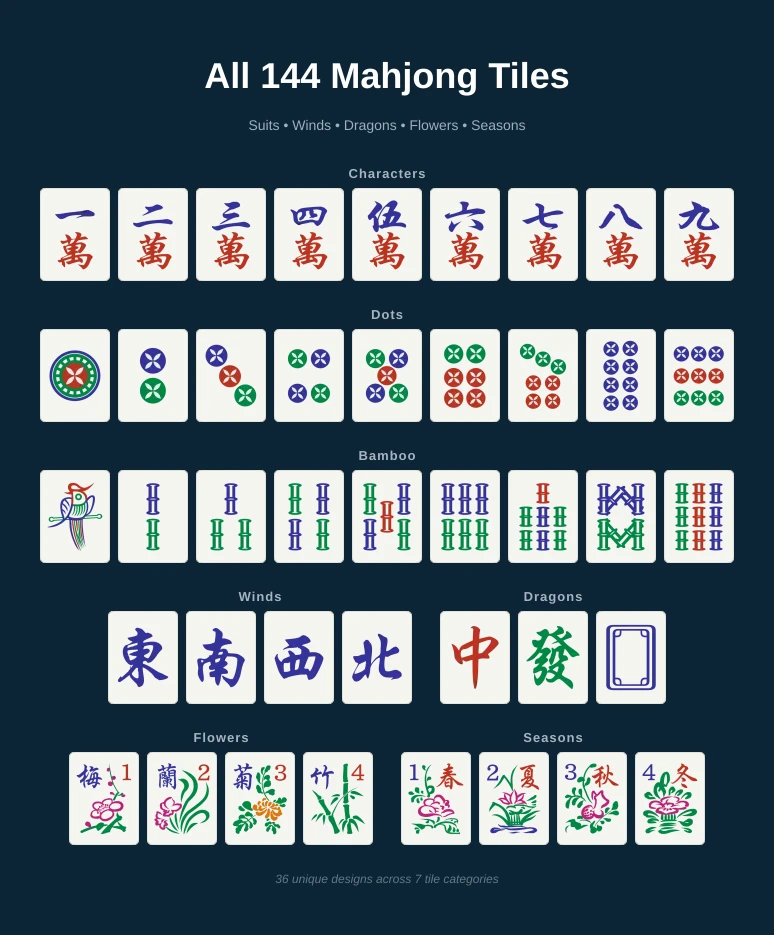
Every Mahjong Solitaire game uses 144 tiles comprising 36 unique designs. This guide explains every tile type, its cultural meaning, matching rules, and scoring value — with images of every tile so you can recognize them at a glance.
 1
1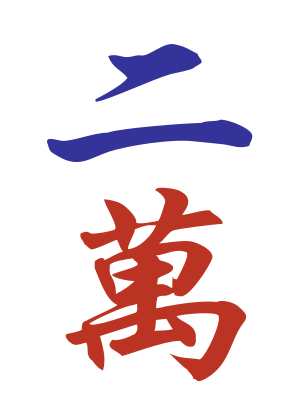 2
2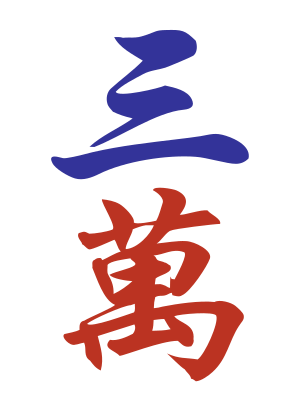 3
3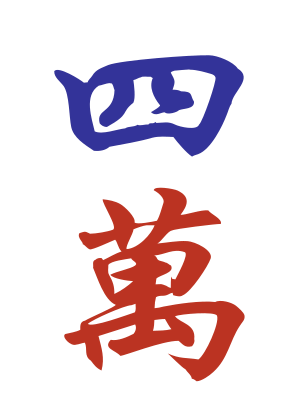 4
4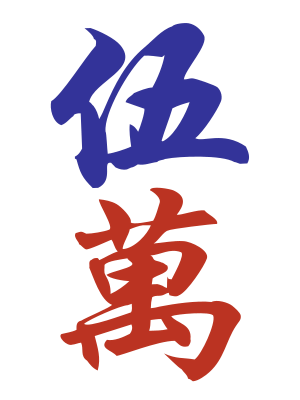 5
5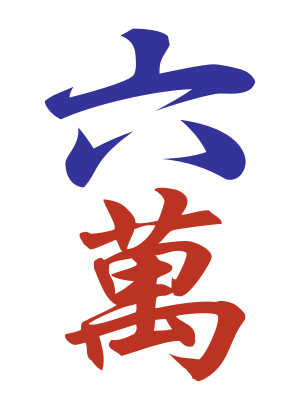 6
6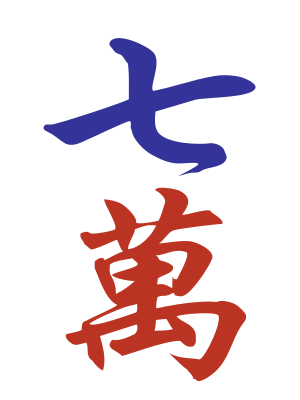 7
7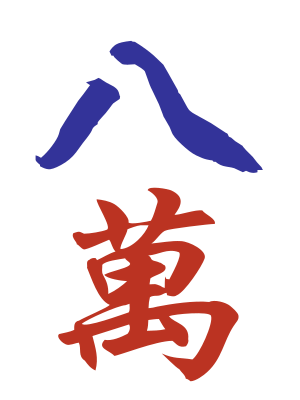 8
8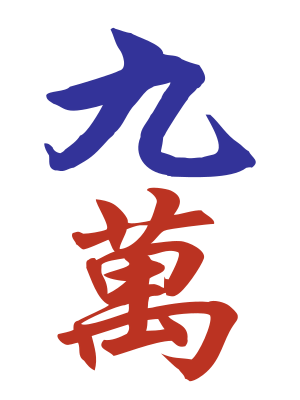 9
9 1
1 2
2 3
3 4
4 5
5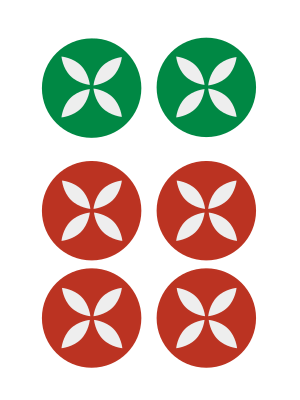 6
6 7
7 8
8 9
9 1
1 2
2 3
3 4
4 5
5 6
6 7
7 8
8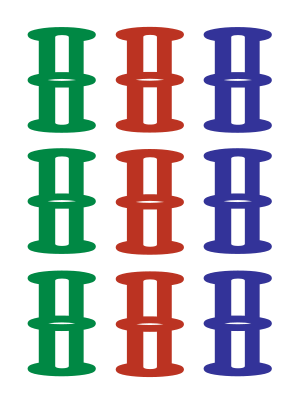 9
9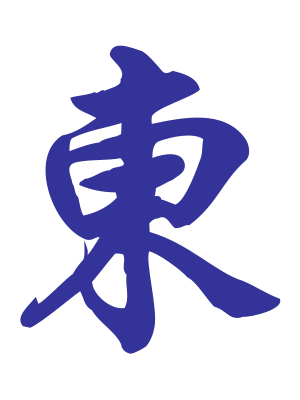 East
East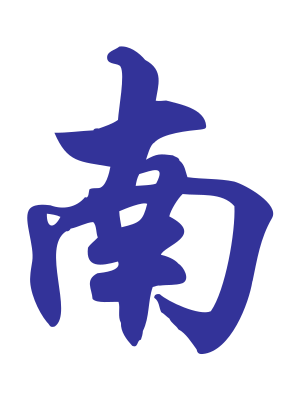 South
South West
West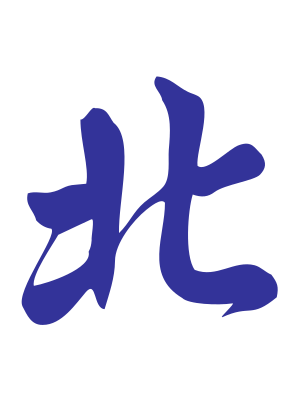 North
North Red
Red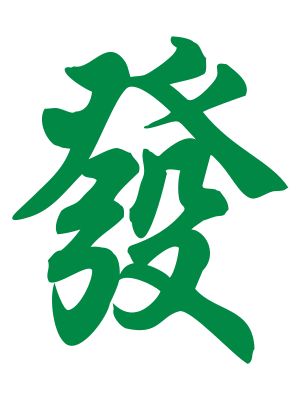 Green
Green White
White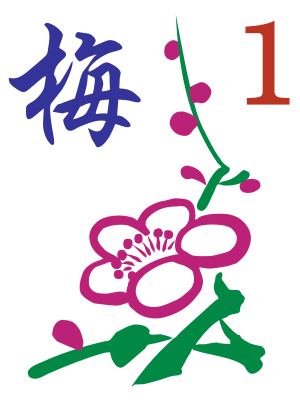 Plum
Plum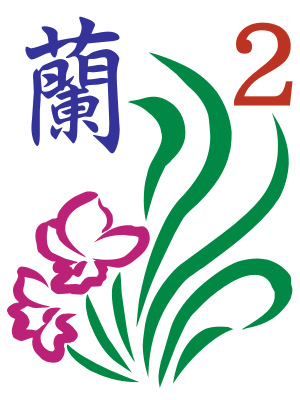 Orchid
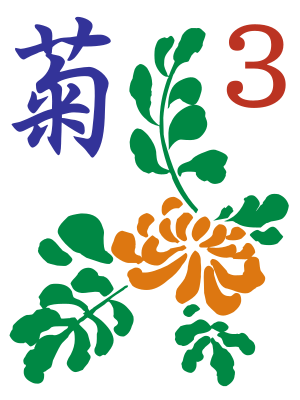 Mum
Mum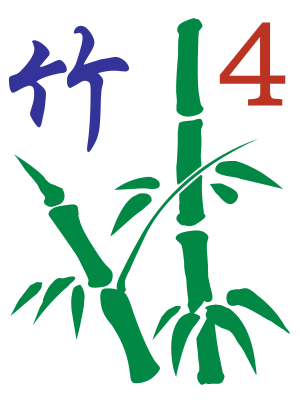 Bamboo
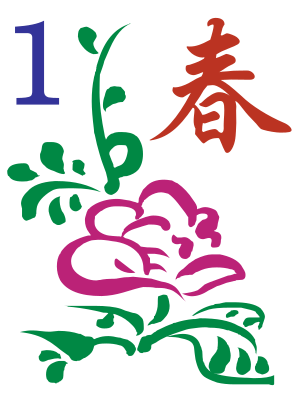 Spring
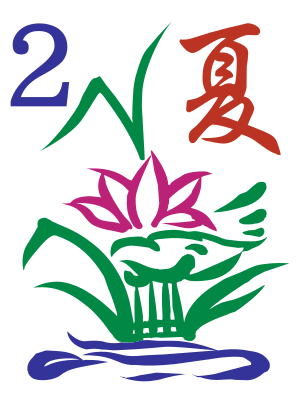 Summer
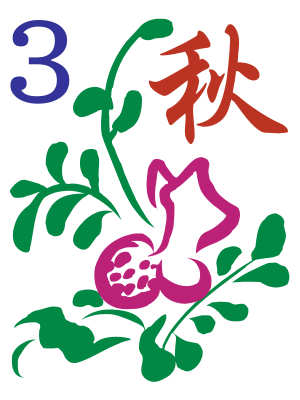 Autumn
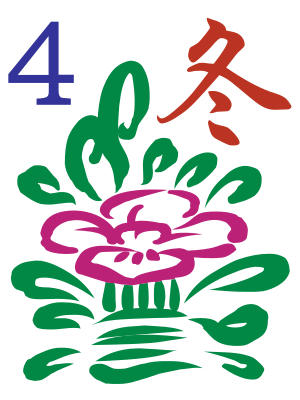 Winter
Table of Contents
Tile Overview: 144 Tiles at a Glance
The 144 Mahjong tiles are divided into three main categories:
| Category | Types | Copies Each | Total Tiles |
|---|---|---|---|
| Suit Tiles | 3 suits x 9 ranks = 27 types | 4 | 108 |
| Wind Tiles | 4 types (E, S, W, N) | 4 | 16 |
| Dragon Tiles | 3 types (Red, Green, White) | 4 | 12 |
| Flower Tiles | 4 unique types | 1 | 4 |
| Season Tiles | 4 unique types | 1 | 4 |
Key fact: Most tiles come in sets of 4 identical copies. This means for most tile types, there are exactly 2 possible pairs you can make. Bonus tiles (flowers and seasons) are the exception — each is unique, and any tile in the group matches any other.
Suit Tiles (108 tiles)
Suit tiles make up the majority of the game — 108 out of 144 tiles. There are three suits, each numbered 1 through 9, with 4 copies of each tile.
Characters (Wan / 万)
36 tiles (9 ranks x 4 copies)
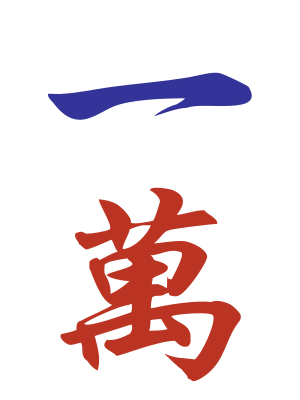
一二三四五六七八九Characters feature Chinese numerals alongside the character 万 (wan, meaning "ten thousand"). They represent ten-thousands of coins in historical Chinese commerce. The numbers 1-9 are written in Chinese characters: 一, 二, 三, 四, 五, 六, 七, 八, 九.
Recognizing Characters
Characters are the easiest suit to identify because they feature prominent Chinese writing. Even if you can't read Chinese, you'll quickly learn to recognize the distinctive patterns of each number. Look for the 万 character at the bottom of every tile in this suit.
Dots / Circles (Tong / 筒)
36 tiles (9 ranks x 4 copies)
123456789Dots (also called Circles or Coins) display circular patterns representing individual coins. The number of circles on each tile matches its rank: 1 dot for the 1 tile, 2 dots for the 2, and so on up to 9.
Dots are often considered the most visually intuitive suit because the circular patterns are easy to count at a glance. They're historically derived from Chinese copper coins which had holes in the center.
Bamboo (Tiao / 條)
36 tiles (9 ranks x 4 copies)
123456789Bamboo tiles (also called Sticks or Bams) show bamboo stick patterns. The number of bamboo sticks represents the rank. Note that the 1 of Bamboo traditionally features a bird (sparrow or peacock) instead of a single stick — this makes it one of the most distinctive tiles in the set.
Watch Out for Bamboo 1!
The 1 of Bamboo looks completely different from the rest of its suit because of the bird design. New players sometimes don't recognize it as a Bamboo tile. Remember: the bird tile is Bamboo 1, and it matches only with other Bamboo 1 tiles.
Honor Tiles (28 tiles)
Honor tiles don't belong to any suit and have no numerical rank. They're divided into Winds and Dragons.
Wind Tiles (16 tiles)
4 types x 4 copies = 16 tiles
EastSouthWestNorth- East Wind (東): The most important wind in traditional Mahjong, representing the dealer's position
- South Wind (南): Represents the second player position
- West Wind (西): Represents the third player position
- North Wind (北): Represents the fourth player position
In Mahjong Solitaire, wind tiles function like any other tile — each wind matches only with its identical type (East with East, South with South, etc.).
Dragon Tiles (12 tiles)
3 types x 4 copies = 12 tiles
RedGreenWhite- Red Dragon (中): Features the Chinese character for "center" or "middle" in red. Symbolizes benevolence (仁) — the Confucian virtue of compassion
- Green Dragon (發): Features the character for "prosperity" or "fortune" in green. Symbolizes sincerity (發) — the virtue of honest effort
- White Dragon: Often shown as a blank tile or with a rectangular border. Symbolizes filial piety (孝) — the virtue of respect for parents and ancestors
Why "Dragons"?
The term "Dragon" is actually a Western invention. In Chinese, these tiles are called 箭牌 (jiàn pái, "arrow tiles") or simply referred to by their individual names. Western players adopted the more evocative "Dragon" terminology, which has stuck in most English-language versions of the game.
Bonus Tiles (8 tiles)
Bonus tiles are unique — each one appears only once in the entire set. They use special matching rules.
Flower Tiles (4 unique tiles)
Each flower appears exactly once in the game:
PlumOrchidMumBamboo- Plum Blossom (梅): Symbol of resilience — blooms in winter when other plants have withered
- Orchid (蘭): Symbol of refinement and integrity
- Chrysanthemum (菊): Symbol of nobility and longevity
- Bamboo (竹): Symbol of flexibility and endurance
Together, these four plants are known as the "Four Gentlemen" (四君子) in Chinese art, representing the four seasons and noble virtues.
Season Tiles (4 unique tiles)
Each season appears exactly once:
SpringSummerAutumnWinter- Spring (春): Paired with Plum Blossom in traditional sets
- Summer (夏): Paired with Orchid
- Autumn (秋): Paired with Chrysanthemum
- Winter (冬): Paired with Bamboo
Bonus Tile Matching
Since each specific flower and season tile is unique (only 1 copy), they can't be matched by exact type. Instead, any flower matches any other flower, and any season matches any other season. This creates 2 possible pairs within each group of 4 unique tiles.
Quick Identification Guide
New to Mahjong? Here's how to tell each tile type apart at a glance:
Characters
Look for Chinese writing — every tile has the 万 character at the bottom. The most text-heavy suit.
Dots
Look for colorful circles — count them to find the number. The most visually intuitive suit.
Bamboo
Look for green sticks — count them to find the number. Exception: the 1 shows a bird instead.
Winds
Look for a single large character — each wind shows one bold Chinese character (東 南 西 北).
Dragons
Look for the color — Red (中), Green (發), or White (blank/bordered). Only 3 types exist.
Bonus
Look for artistic illustrations — flowers show plants, seasons show landscapes. These match by group.
Tip for Beginners
Don't worry about memorizing every tile before you play. In Mahjong Solitaire, matching is visual — you just need to find two tiles that look the same. The cultural meanings add depth, but the game works perfectly even if you simply match by appearance. Start with a game and refer back to this guide as needed.
Matching Rules Summary
Here's a clear summary of how matching works for each tile category:
| Tile Type | Matching Rule | Example |
|---|---|---|
| Suit Tiles | Exact match (same suit + same number) | 5 of Dots matches 5 of Dots only |
| Wind Tiles | Exact match (same wind type) | East Wind matches East Wind only |
| Dragon Tiles | Exact match (same dragon type) | Red Dragon matches Red Dragon only |
| Flower Tiles | Group match (any flower matches any flower) | Plum can match Orchid, Chrysanthemum, or Bamboo |
| Season Tiles | Group match (any season matches any season) | Spring can match Summer, Autumn, or Winter |
How Tiles Affect Scoring
In our scoring system, different tile types have different base point values. Rarer and more special tiles are worth more points:
| Tile Type | Base Points | Reasoning |
|---|---|---|
| Characters | 2 points | Most common suit tile |
| Dots | 4 points | Standard suit tile |
| Bamboo | 6 points | Standard suit tile |
| Wind | 8 points | Less common honor tile |
| Dragon | 10 points | Rare honor tile |
| Flower | 12 points | Special bonus tile |
| Season | 14 points | Rarest bonus tile |
These base values are multiplied by combo chains and other bonuses. For the full scoring breakdown, see our Mahjong Scoring System guide.
Frequently Asked Questions
How many tiles are in Mahjong?
A standard Mahjong set contains 144 tiles: 108 suit tiles (3 suits x 9 ranks x 4 copies), 16 wind tiles (4 types x 4 copies), 12 dragon tiles (3 types x 4 copies), and 8 bonus tiles (4 flowers + 4 seasons). These 144 tiles represent 36 unique designs.
What do the different Mahjong tile types mean?
The three suits represent aspects of Chinese commerce: Characters (万) symbolize ten-thousands of coins, Dots (筒) represent individual coins, and Bamboo (條) depict strings of coins. Wind tiles represent the four cardinal directions. Dragon tiles represent Confucian virtues: Red (benevolence), Green (sincerity), and White (filial piety). Flowers represent the "Four Gentlemen" of Chinese art, and Seasons represent the passage of time.
How do bonus tiles match in Mahjong Solitaire?
Unlike suit and honor tiles which must match exactly, bonus tiles use group matching. Any flower tile can match any other flower tile, and any season tile can match any other season tile. This is because each specific bonus tile is unique — there's only 1 copy of each, so exact matching would be impossible.
Why is the 1 of Bamboo a bird?
The 1 of Bamboo traditionally depicts a bird (often a sparrow or peacock) instead of a single bamboo stick. This design convention dates back to the earliest Mahjong tile sets — the bird is said to represent a sparrow sitting on a bamboo stalk. It's one of the most recognizable tiles in the game.
How many unique tile designs are there?
There are 36 unique tile designs: 27 suit tiles (3 suits x 9 numbers), 4 winds, 3 dragons, 4 flowers, and 4 seasons. The full 144-tile set consists of multiple copies of these designs — 4 copies for suit and honor tiles, and 1 copy for each bonus tile.
What is the difference between suit tiles and honor tiles?
Suit tiles are numbered 1-9 and belong to one of three suits (Characters, Dots, Bamboo), totaling 108 tiles. Honor tiles have no number or suit — they include 4 Wind types (East, South, West, North) and 3 Dragon types (Red, Green, White), totaling 28 tiles. Both require exact matching in Mahjong Solitaire.
How can I quickly tell Mahjong tile suits apart?
Characters have Chinese writing (numerals with the 万 character). Dots show colorful circles you can count. Bamboo tiles show green stick patterns — except the 1 of Bamboo which features a bird. With practice, you'll recognize each suit instantly. See our Quick Identification Guide above for visual tips.
Put Your Tile Knowledge to Use
Now that you know all 144 tiles, test your matching skills with a free game of Mahjong Solitaire.
Play Mahjong Solitaire Free